

The sea is a complex, fragile and constantly changing ecosystem. Understanding its state of health involves monitoring not only water quality, but also biodiversity, marine and coastal habitats, and the effects of human activity, from pollution to climate change.
Ahead of Clean Beach Day, we delved into these issues with Andrea Giuseppe de Lucia, a senior technologist at the CNR in Oristano, who has been involved in the study and conservation of marine ecosystems for many years, collaborating with Marine Protected Areas and National Parks.
Our discussion with the CNR of Oristano enables us to better understand the main threats affecting marine ecosystems and the value of concrete actions for their protection.

Sea, research and awareness
Interview with the National Research Centre (CNR) of Oristano
Sea, research and awareness
Interview with the National Research Centre (CNR) of Oristano
What is the role of the CNR of Oristano in the study and protection of marine and coastal ecosystems?
GDL: The CNR of Oristano has been working on the study and conservation of marine ecosystems for years, actively collaborating with Marine Protected Areas and National Parks. Activities include assessing the health of our seas and promoting mitigation measures aimed at restoring and safeguarding habitats that are under threat.
When we talk about the ‘state of the seas’, what aspects are monitored? What do the data currently tell us about the state of the seas, and in particular the Mediterranean Sea?
GDL: Monitoring focuses on the chemical and physical qualities of the water and, above all, on assessing the health status of habitats, checking the growth and protection of biodiversity, which is often threatened by climate change or plastic pollution. The Mediterranean basin, being semi-enclosed, is particularly vulnerable to all forms of pollution and exploitation. Which is precisely why it also serves as a laboratory for studying sustainability strategies.
What are the main forms of pollution currently affecting the health of the seas, and which aspects are underestimated by the public?
GDL: There are countless forms of pollution, and many of these are completely unknown to the general public. In recent years, pollution from plastics and microplastics has made us increasingly aware of the gravity of the problem. The real question, however, is what we can concretely do to fight it.
Do your research activities include any studies or findings that you think are particularly useful in helping the public better understand the current state of the seas?
GDL: One of the studies we are currently conducting concerns the interaction between plastics in the sea and sea turtles. This research has shown the damage caused to the animals, particularly to their predatory behaviour. Ingesting plastic can compromise their ability to dive deep underwater, which is essential for feeding. Due to the infections caused by ingesting plastic, we often find turtles floating in the sea. If we didn’t take them in at our Recovery Centre, they would face certain death.
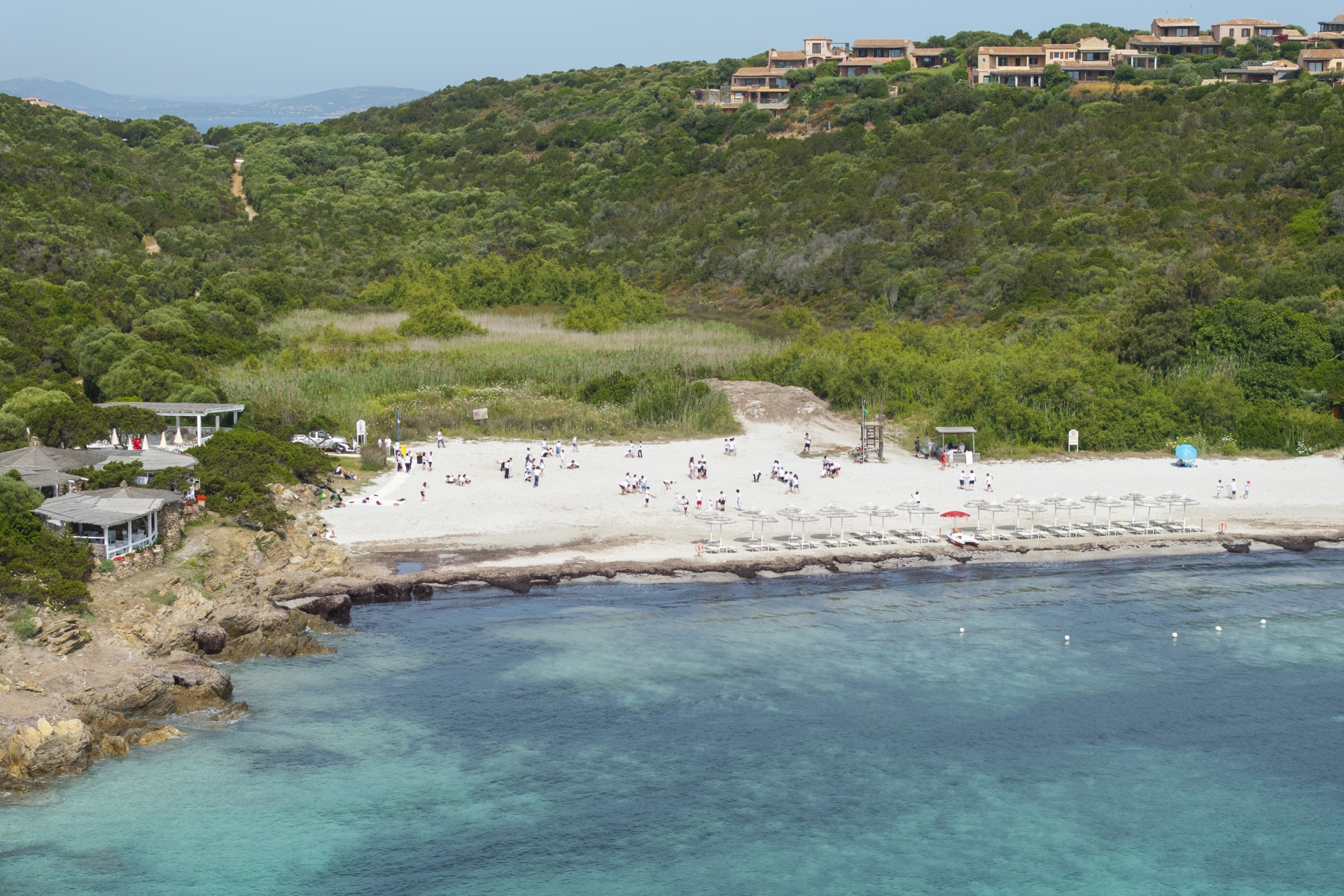
How can a practical initiative such as a Clean Beach Day help us better understand the impact of pollution on marine and coastal ecosystems?
GDL: An initiative such as a Clean Beach Day is essential, firstly in terms of removing plastics from marine and coastal environments.
Active participation, alongside those directly involved in tackling these issues, can also help us better understand the different types of plastics, the time they take to break down and the source of certain items infiltrating our natural environments.
Raising awareness and achieving a good level of knowledge form the basis for future behavioural choices that can affect the health of marine environments.
Via della marina
07021, Porto Cervo (Italy)
Tel: +39 0789 902200
Email: info@yccs.it
P.Iva: 00333630903